StStarting your credit journey in the United States can feel stressful, especially when most lenders want a credit score before approving you. It sounds confusing — how can you build credit if nobody gives you a chance?
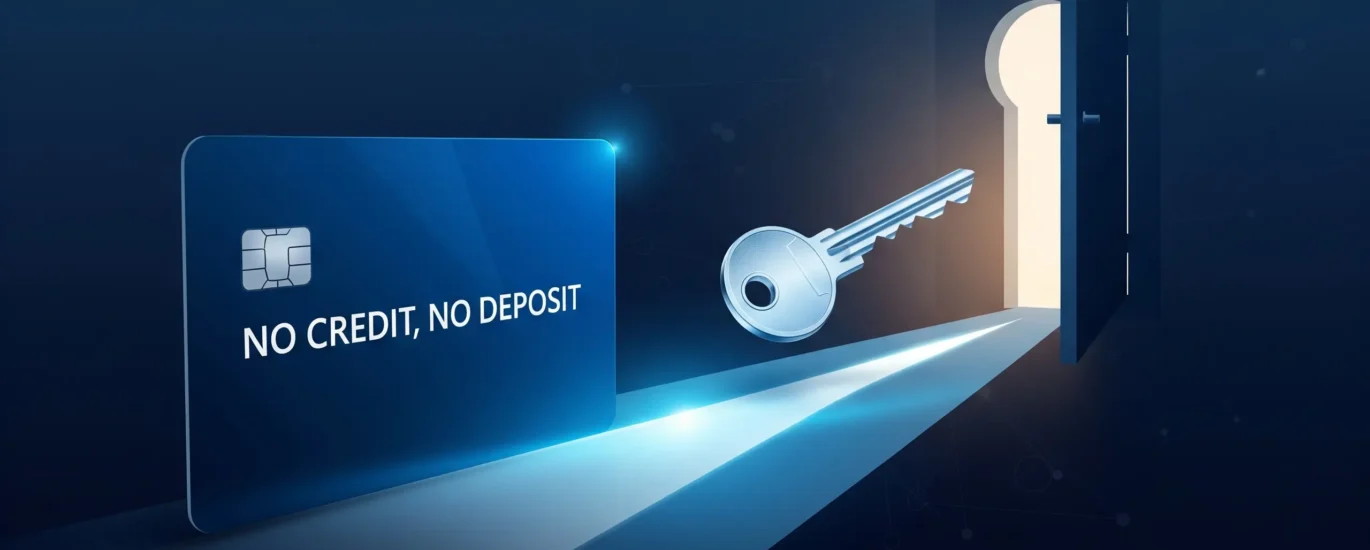
The good news is that many U.S. banks and fintech companies now offer credit cards for no credit and no deposit specifically designed for beginners. These cards help first-time users build a credit score without paying a large upfront security deposit.
Whether you are a student, young adult, immigrant, or someone trying to establish financial independence, the right beginner credit card can help you build a strong financial future.
Credit cards for no credit and no deposit are unsecured credit cards designed for people with little or no credit history.
Unlike secured credit cards, these cards do not require a refundable security deposit to open an account. That means you can start building credit immediately without depositing $200–$500 upfront.
These cards are popular among:
Most beginner-friendly cards come with smaller starting limits, but they can help establish your credit profile when used responsibly.
your credit score affects much more than just loans.
A good credit score can help you:
Many Americans start building credit between ages 18–24 because credit history plays a huge role in long-term financial success.
When you use a beginner credit card responsibly, the issuer reports your activity to the three major U.S. credit bureaus:
The bureaus track your:
Over time, positive activity helps increase your credit score.
Traditional secured cards require cash deposits before approval. Beginner unsecured cards eliminate that requirement, making credit more accessible for Americans starting their financial journey.
This helps users keep their money available for:
Many 2026 beginner cards now use alternative approval methods beyond credit scores, including:
This makes approval easier for applicants with no credit history.
Most starter cards offer initial credit limits between $200 and $1,500.
While the limit may seem small, it encourages responsible spending and reduces the risk of debt.
Some issuers automatically increase limits after 6–12 months of responsible use
This is one of the most important features.
The best cards report your activity to:
Without bureau reporting, your responsible payments will not help improve your credit score effectively.
Many U.S. credit card companies now offer:
These features help beginners manage money responsibly.
Your payment history is the biggest factor affecting your credit score.
Using your card responsibly can help you:
For many Americans, this is the first step toward long-term financial independence.
Secured cards often require deposits between $200–$500.
No-deposit credit cards remove that barrier, making them ideal for:
Unexpected expenses happen.
A beginner credit card can help cover emergencies such as:
However, balances should always be managed carefully to avoid debt.
Some beginner cards now include:
Although rewards are smaller than premium cards, they still provide extra value.
Many issuers allow responsible users to upgrade to better cards after several months.
Potential upgrades include:
Keeping the same account open also strengthens your credit age.
Not every beginner credit card is good. Some companies target inexperienced users with high fees and poor terms.
Many beginner cards in the USA have APRs ranging from 24% to 32% in 2026.
If you carry balances, interest charges can become expensive quickly.
Best Strategy:
Pay your balance in full every month.
Avoid unnecessary annual fees unless the benefits clearly justify the cost.
Many excellent beginner cards now offer:
Watch for:
Best For: Simple Credit Building
Annual Fee: $0
Security Deposit: None
This is one of the most trusted starter cards in the U.S. because it focuses entirely on helping beginners establish credit responsibly.
Annual Fee: $0
Many American college students choose this card because it combines rewards with beginner-friendly approval standards.
Annual Fee: $0
Petal uses banking activity instead of only credit scores, making it easier for many beginners to qualify.
This card helps users avoid overspending because purchases are backed by money already in your Chime account.
Students can earn rewards while building credit responsibly.
Tomo focuses more on banking behavior than traditional credit scores.
A beginner card should help you build credit affordably.
For most users, a $0 annual fee card is the smartest choice.
Make sure the issuer reports to:
This ensures your positive payment history helps improve your score.
Rewards are helpful, but credit building should remain your main focus.
Avoid overspending just to earn cash back.
Some cards are easier to get approved for than others.
Look for issuers that consider:
Some beginner cards allow upgrades to premium products later without closing your account.
This helps maintain long-term credit history.
Building credit in the United States takes time, but the good news is that you do not need years to start seeing results. With the right habits and responsible credit card usage, many beginners can improve their credit score within just a few months. If you recently got one of the best credit cards for no credit and no deposit, these smart strategies can help you build credit faster and avoid common financial mistakes.
When it comes to building credit, nothing matters more than your payment history. In fact, payment history makes up the largest portion of your FICO credit score in the USA. Even a single missed payment can negatively affect your score and stay on your credit report for years.
The easiest way to avoid late payments is by setting up autopay or payment reminders through your banking app. Many Americans use automatic payments to make sure they never miss a due date.
If you are just starting out, try using your card for small purchases that you can easily pay off every month. Responsible payment habits show lenders that you can manage credit wisely, which helps improve your credit profile over time.
Credit utilization simply means how much of your available credit you are using. Experts in the U.S. usually recommend keeping your utilization below 30%.
For example, if your credit limit is $500, it is best to keep your balance under $150. Lower utilization tells banks and credit bureaus that you are not overly dependent on credit, which can positively impact your score.
Many beginners make the mistake of maxing out their cards, thinking it helps build credit faster. In reality, high balances can actually lower your credit score, even if you pay on time. Using only a small portion of your limit is one of the smartest ways to build strong credit in 2026.
One of the best ways to build credit naturally is by using your credit card regularly for simple daily expenses. You do not need to spend large amounts of money to improve your score.
Many Americans use beginner credit cards for:
Making small purchases consistently and paying them off in full every month shows responsible financial behavior. This helps create a positive credit history without putting you into unnecessary debt.
Tracking your credit progress is important, especially when you are building credit for the first time. Many U.S. credit card companies now offer free credit score tracking through their mobile apps, making it easy to monitor your financial growth.
You should also review your credit reports regularly to check for:
In the United States, you can access free credit reports from Experian, Equifax, and TransUnion through AnnualCreditReport.com.
Monitoring your credit helps you catch problems early and stay motivated as your score improves over time.
Every time you apply for a new credit card, lenders may perform a hard inquiry on your credit report. Too many hard inquiries within a short period can temporarily lower your score and make you appear risky to banks.
Instead of applying for multiple cards at once, focus on using one beginner-friendly card responsibly for at least 6 to 12 months. Once your score improves, you can apply for better cards with higher limits and stronger rewards.
Patience is extremely important when building credit. Slow and steady growth usually works best.
Although credit cards allow you to carry balances month to month, paying your full balance is the smartest strategy for beginners. Carrying debt can lead to high interest charges, especially since many starter cards in the USA have APRs above 25%.
Paying your balance in full every month helps you:
Many successful credit users treat their credit card like a debit card — only spending what they can afford to repay immediately.
Building credit is not only about using a credit card. Strong overall financial habits also matter.
Try to:
Lenders prefer borrowers who show long-term financial stability. Combining responsible credit card usage with smart money management can help you build excellent credit much faster.
Building credit fast in 2026 is possible, but consistency matters more than speed. Small responsible actions repeated every month can lead to major financial opportunities in the future.
If you focus on:
you can build a strong credit score and create a solid financial foundation
Some of the best credit cards for no credit and no deposit in 2026 include the Capital One Platinum Credit Card, Discover it® Student Cash Back, Petal® 2 Visa®, and Chime Credit Builder Visa® Card. These cards are popular in the USA because they help beginners build credit without requiring a security deposit.
Yes, many U.S. banks and fintech companies offer beginner-friendly credit cards for people with no credit history. These cards are designed for students, young adults, immigrants, and first-time credit users who want to start building credit responsibly.
Many beginner credit cards do not require an existing credit score. Some issuers approve applicants based on income, banking activity, or employment history instead of traditional credit checks.
Yes, many no credit check credit cards are safe if they come from trusted U.S. banks or financial companies. However, always review the fees, APR, and terms before applying to avoid expensive or predatory credit cards.
Yes. Many U.S. student credit cards are created specifically for college students with limited or no credit history. Cards like Discover it® Student Cash Back and Capital One Quicksilver Student are popular options for students in 2026.
Many people in the USA start seeing credit score improvements within 3 to 6 months of responsible credit card usage. Paying on time and keeping your utilization low are the most important factors.
Yes. Applying for too many credit cards in a short time can lower your credit score temporarily because of multiple hard inquiries. Beginners should focus on one good starter card first.
Most financial experts recommend keeping your credit utilization below 30%. For the best results, many Americans try to stay below 10% of their total credit limit.
Yes. Some beginner credit cards allow immigrants and international students to apply without a Social Security Number. Certain issuers may use alternative verification methods such as income or bank account activity.
Many popular beginner credit cards in the USA now offer $0 annual fees, including:
These cards help users build credit without extra yearly costs.
Yes. Paying your balance in full helps you avoid interest charges and keeps your credit utilization low. This is one of the best ways to build a strong credit score quickly.